
Defining Mood and Personality in Interiors with Wall Art
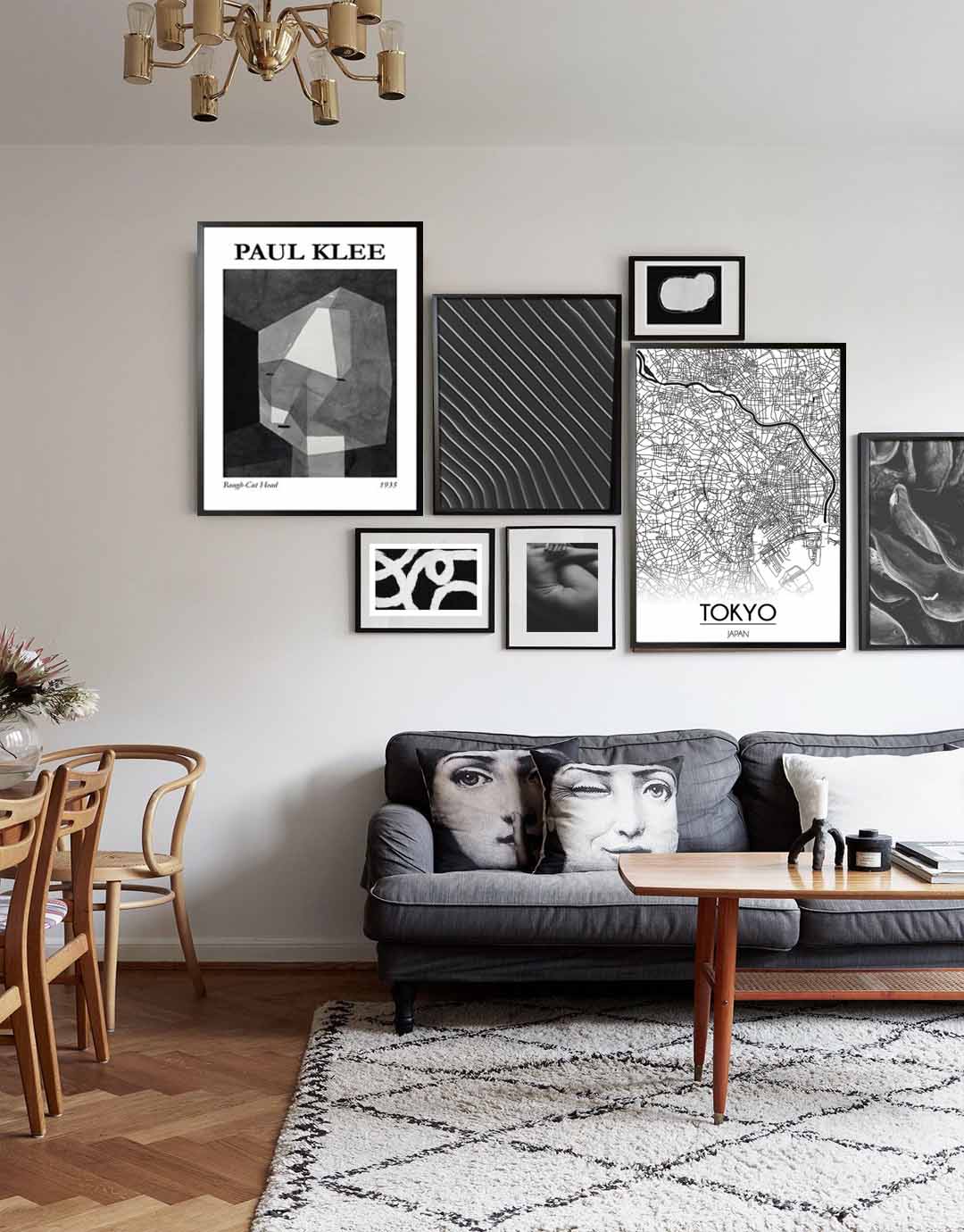
Wall art is more than decoration. It is one of the most powerful tools for shaping the mood and personality of an interior space. While furniture establishes function and layout, wall art adds emotion, storytelling, and individuality. A thoughtfully chosen piece can instantly transform a room from plain and impersonal into a space that feels alive, welcoming, and uniquely expressive.
One of the greatest strengths of wall art is its ability to influence the atmosphere. Colors, textures, and other factors contribute to how a room feels. Soft landscapes or minimalist prints in neutral tones create a calm and relaxing environment, making them perfect for bedrooms or reading corners. In contrast, bold abstract pieces or vibrant graphic posters energize a space, adding excitement and creativity to living rooms, offices, or studios.
Wall art reflects personality. Interiors become meaningful when they represent the people who live in them. Travel prints may reveal a love for adventure, typography art can showcase personal values or humor, and modern illustrations might express creativity and openness to trends. Unlike mass-produced décor that blends into the background, curated art choices allow homeowners to tell their stories without saying a word. Guests often learn more about a person through their walls than through conversation.
Another important role of wall art is creating visual balance. Empty walls can make a space feel unfinished or cold, while carefully placed artwork adds depth and structure. Large statement pieces anchor a room, drawing the eye and establishing a focal point. Meanwhile, gallery walls bring rhythm and movement by combining different sizes, frames, and styles into one cohesive display. When arranged thoughtfully, wall art ties together colors and design elements, making the entire interior feel harmonious.
Beyond aesthetics, wall art has emotional value. Artwork can inspire motivation, spark memories, or simply bring joy during everyday moments. Seeing meaningful visuals daily can improve mood and strengthen one’s connection to their home environment. This emotional impact explains why art remains an essential part of interior design across cultures and eras.
Ultimately, wall art defines how a space feels and who it belongs to. It bridges design and identity, turning walls into personal canvases. By choosing pieces that resonate emotionally and visually, anyone can transform their interiors into spaces that not only look beautiful but also feel authentic and deeply personal.


